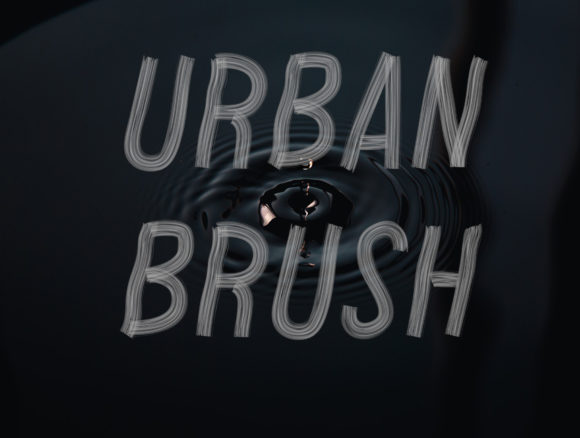
Urban Brush: A Simple Yet Bold Brushed Display Font for Editorial Design
I was staring at a blank canvas for my latest lifestyle newsletter graphic, trying to find the right visual rhythm. The content was warm and inviting, but the typography felt flat, lacking that tactile energy I wanted to convey. That’s when I pulled up Urban Brush. It is a simple yet bold brushed display font that immediately caught my eye. Incredibly versatile, this font will lighten up any project idea you re trying to develop, especially when you need a touch of modern editorial flair without overwhelming the reader.
In the world of digital publishing, choosing the right typeface is about more than just legibility; it’s about setting a mood. Whether you are designing a recipe ebook, a wedding guide, or a high-end coaching workbook, your font choice speaks volumes before the reader even processes the words. After testing Urban Brush across several layout scenarios, I found it to be an exceptional tool for creators who want their work to feel both professional and distinctly human.
Why Urban Brush Elevates Blog Headers and Digital Magazines
When you start building a new brand identity with Urban Brush, the first place most designers look is the header. This Display font brings a sense of movement and personality that standard sans serif fonts often lack. Its brushed texture mimics the imperfections of real paint strokes, giving your digital magazine layout or blog post titles an artisanal quality.
For bloggers and independent publishers, standing out in a crowded feed is essential. Using Urban Brush for your main article titles creates an immediate visual anchor. The bold weight ensures that your headlines command attention on social media thumbnails and mobile feeds, while the brush style adds a layer of sophistication. It bridges the gap between casual creativity and polished design, making it perfect for lifestyle brands, creative agencies, and personal portfolios that want to appear approachable yet authoritative.
Urban Brush for Recipe Ebook Covers and Food Blogs
One of the most surprising uses I discovered was applying Urban Brush to food-related content. There is something inherently appetizing about the organic, hand-painted feel of this typeface. When used for a recipe ebook cover or a featured dish title in a food blog, it suggests freshness and craftsmanship.
The font’s versatility allows it to pair beautifully with imagery of vibrant ingredients or rustic kitchen settings. It doesn’t compete with the photos; instead, it complements them by adding a textural element that feels grounded and authentic. For content creators in the culinary space, using Urban Brush helps establish a brand identity that values quality and artistry over mass production.
Building Visual Hierarchy with Versatile Fonts
A well-designed document relies on clear visual hierarchy to guide the reader’s eye. Urban Brush excels here because its distinct character makes it ideal for section headings, pull quotes, and chapter openers. However, it is important to remember that as a Display font, it is best suited for short bursts of text rather than long-form body copy.
In my experience designing a printable planner, I used Urban Brush for the weekly headers and task categories. The bold, brushed strokes created a strong separation between sections, making the layout easy to scan. This is crucial for users who need to quickly find information in a busy workspace. By reserving the more decorative elements for key structural components, you maintain readability while still injecting style into every page.
- Pull Quotes: Use Urban Brush to highlight impactful statements within an article. The contrast between the bold headline and regular body text draws the eye directly to the message.
- Section Dividers: Incorporate the font into banner designs or divider lines to break up long articles and provide visual breathing room.
- Call-to-Action Buttons: For digital products like course PDFs or membership sites, use Urban Brush for button text to increase click-through rates through visual prominence.
Urban Brush for Wedding Invitations and Elegant Branding
While "urban" might suggest a gritty aesthetic, the elegance of Urban Brush makes it surprisingly suitable for formal events. The clean lines beneath the brush strokes give it a refined edge that works well for wedding invitations, save-the-dates, and bridal shower graphics.
Designers can leverage the font’s ability to lighten up project ideas by combining it with minimalist layouts and ample white space. The result is a modern, contemporary look that feels expensive and thoughtful. For wedding planners and stationery designers, offering clients a font that balances tradition with modern trends is a significant value-add. Urban Brush provides that balance effortlessly, allowing for creative monograms and elegant date formatting.
Practical Considerations for Screen and Print
As a designer, I always test my chosen typefaces across different mediums. Urban Brush performs exceptionally well on screens, maintaining its clarity even at smaller sizes used for subheadings. However, for optimal impact, it should be used at larger point sizes where the brush details can be appreciated.
When exporting for print, such as for physical workbooks or zines, the vector nature of these Fonts ensures crisp edges. The bold weight translates well to paper, providing a solid foundation for the design. It is worth noting that while Urban Brush is versatile, it pairs best with highly readable serif or sans serif fonts for body text. A classic serif font can ground the energetic display text, creating a harmonious balance between excitement and stability.
Font Pairing Strategies for Editorial Layouts
To maximize the effectiveness of Urban Brush, consider pairing it with a neutral typeface for your longer paragraphs. Here are two reliable combinations:
- Urban Brush + Modern Sans Serif: This combination works well for tech blogs, startup newsletters, and contemporary fashion magazines. The clean lines of the sans serif complement the organic feel of the brush font.
- Urban Brush + Classic Serif: Ideal for literary journals, book reviews, and heritage brands. The serif adds a touch of timelessness that contrasts nicely with the modern edge of Urban Brush.
Commercial Licensing and File Formats
Before incorporating Urban Brush into any commercial project, it is essential to review the licensing terms. Most premium fonts come with specific guidelines regarding how they can be used in digital downloads, client publications, and paid newsletters. Ensure that you have the appropriate license for your intended use case, whether that is embedding the font in a PDF or using it in web design via CSS.
Checking the included styles, alternates, and ligatures can also enhance your design options. Some versions of Urban Brush may offer additional characters or stylistic sets that allow for further customization. Understanding these technical details helps you avoid legal issues and ensures that your final product looks exactly as intended.
Urban Brush for Course Materials and Digital Products
For course creators and educators, Urban Brush can transform dry educational content into engaging learning materials. Use it for module titles, quiz headers, and certificate templates. The bold, confident look of the font conveys authority and expertise, which can boost student confidence and engagement.
By integrating Urban Brush into your digital assets, you signal to your audience that you care about the quality of their experience. It is a small detail that makes a big difference in how your content is perceived. Whether you are selling printable planners on Etsy or launching a comprehensive online course, investing in high-quality typography like Urban Brush pays off in increased professionalism and user satisfaction.
Ultimately, finding the right font is about finding the right voice for your brand. Urban Brush offers a unique blend of simplicity and boldness that can elevate your editorial design from ordinary to extraordinary. It is a tool that invites creativity and supports a wide range of project ideas, making it a valuable addition to any designer’s toolkit.